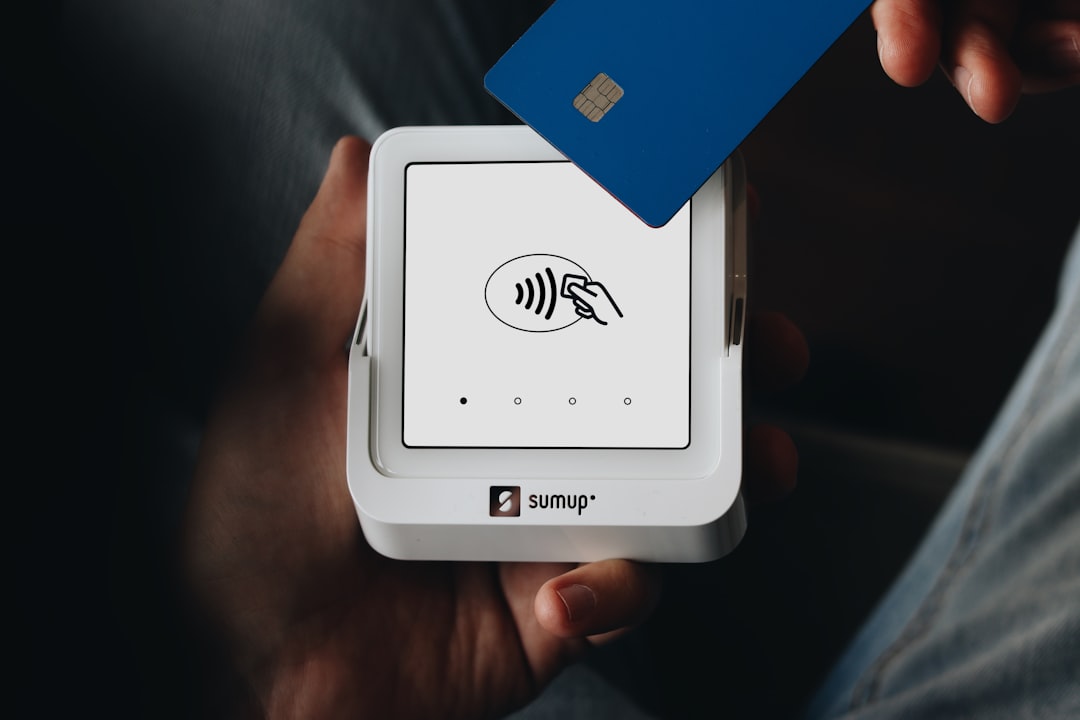
The global payments landscape is undergoing its most significant transformation since the advent of electronic banking. Traditional payment rails, designed decades ago for a different economic reality, are being supplemented and in some cases replaced by innovative systems that promise instant settlement, reduced costs, and enhanced accessibility. These next-generation payment technologies are not merely incremental improvements but represent fundamental reimagining of how value moves through the global economy.
The Limitations of Traditional Payment Systems
To understand the significance of emerging payment technologies, we must first recognize the limitations they address. Traditional banking payment systems, particularly for cross-border transactions, involve multiple intermediaries, take days to settle, and carry substantial fees. A payment from the United States to Europe might route through correspondent banking networks, passing through several institutions before reaching its destination, with each taking a fee and adding delay.
Domestic payment systems vary widely in speed and efficiency. Some countries have implemented real-time payment schemes enabling instant transfers between bank accounts, while others still rely on batch processing systems that settle overnight or even more slowly. This fragmentation creates friction in an increasingly globalized economy where businesses and consumers expect instantaneous digital transactions regardless of geographical boundaries.
Real-Time Payment Networks
Real-time payment systems represent one of the most significant innovations in retail payment infrastructure. Countries including the UK, Singapore, India, and Australia have deployed instant payment schemes that settle transactions within seconds, available 24/7 including weekends and holidays. These systems dramatically improve payment speed compared to traditional ACH or wire transfers that can take days to complete.
The benefits extend beyond speed. Real-time settlement reduces counterparty risk and working capital requirements for businesses. Consumers gain flexibility to manage finances more precisely when money moves instantly. The technology typically employs message-based protocols where payment instructions and funds movement occur simultaneously, eliminating the settlement lag inherent in traditional batch processing systems.
Cross-Border Payment Innovation
Cross-border payments have been particularly resistant to innovation, with correspondent banking networks remaining largely unchanged for decades. Recent years have seen emergence of alternative networks promising faster, cheaper international payments. Distributed ledger technology enables some of these innovations, creating shared payment rails that bypass traditional correspondent banking relationships.
Cryptocurrency and stablecoin networks offer another approach to cross-border value transfer. While volatile cryptocurrencies like Bitcoin struggle to gain payment adoption due to price fluctuations, stablecoins pegged to traditional currencies provide cryptocurrency's speed and borderless nature without volatility concerns. Businesses increasingly use stablecoins for international settlement, converting to stablecoins, transmitting them globally instantaneously, and converting to local currency at the destination.
Central Bank Digital Currencies
Central bank digital currencies represent perhaps the most significant potential evolution in payment systems. CBDCs are digital representations of sovereign currency, issued and controlled by central banks but existing in digital form rather than physical cash. Over 90% of central banks globally are researching or piloting CBDC projects, recognizing both the opportunities and risks these technologies present.
Retail CBDCs could provide the public with direct access to central bank money in digital form, potentially bypassing commercial banks for certain transactions. This raises profound questions about monetary policy transmission, financial stability, and the role of commercial banks. Wholesale CBDCs, designed for interbank settlement, promise more efficient financial market infrastructure with reduced settlement risk and operational complexity.
China's digital yuan represents the most advanced large-scale CBDC deployment, with pilot programs operating in multiple cities. The system enables offline payments using near-field communication technology, programmable money with conditions attached to spending, and potential for greater monetary policy precision. Other nations watch closely, recognizing that CBDC development may become strategically necessary even if domestic benefits are uncertain, simply to maintain relevance in international payment systems.
Payment System Interoperability
A critical challenge for next-generation payment systems is interoperability. The proliferation of payment networks, each with proprietary protocols and operating rules, creates fragmentation that limits the benefits of innovation. A real-time payment system in one country provides little value to users needing to send money internationally if it doesn't connect to systems in other countries.
International standardization efforts aim to address this challenge. ISO 20022, a modern financial messaging standard, is being adopted globally to enable consistent data-rich payment messages across different systems. This standardization facilitates automation, reduces errors, and enables innovative services built on top of payment infrastructure. Regional integration initiatives connect national payment systems, creating broader networks for instant cross-border payments within geographical regions.
Embedded Finance and Invisible Payments
Next-generation payment systems enable "embedded finance" where payment capabilities are integrated into non-financial platforms and experiences. E-commerce platforms, ride-sharing apps, and social media services increasingly offer integrated payment functionality that feels seamless to users. The payment process becomes nearly invisible, reducing friction that might otherwise deter transactions.
This embedding of payments into diverse contexts relies on modern payment infrastructure that can support real-time authorization, flexible routing, and rich data exchange. APIs enable non-bank platforms to access payment functionality without building banking infrastructure themselves. Open banking initiatives in various jurisdictions mandate that banks provide API access to customer account data and payment initiation, accelerating embedded finance adoption.
Security and Fraud Prevention
Faster payment systems require correspondingly faster fraud detection and prevention mechanisms. Traditional payment systems with multi-day settlement periods allow time for manual review of suspicious transactions before funds irrevocably leave the banking system. Instant payment systems settle immediately, demanding automated real-time fraud detection that can assess transaction risk and make block-or-allow decisions within milliseconds.
Modern payment fraud prevention leverages machine learning models trained on transaction patterns to identify anomalies indicating potential fraud. Behavioral biometrics analyze how users interact with payment interfaces, detecting account takeovers based on unusual interaction patterns. Device fingerprinting and network intelligence help identify fraudulent payments originating from compromised devices or suspicious networks. The challenge lies in achieving high fraud detection rates while minimizing false positives that block legitimate transactions and frustrate users.
Regulatory and Policy Considerations
Payment system innovation raises complex regulatory questions. Central banks and financial regulators must balance encouraging innovation with ensuring stability, consumer protection, and monetary sovereignty. Some innovations, particularly those involving cryptocurrency or stablecoins, challenge existing regulatory frameworks designed for traditional financial institutions and instruments.
Competition policy concerns arise when large technology platforms leverage their user bases to gain dominant positions in payments. The network effects inherent in payment systems create natural tendencies toward concentration, potentially giving dominant platforms excessive market power. Regulators globally are grappling with how to maintain competitive payment markets while enabling innovation and ensuring interoperability.
The Future of Money Movement
Looking forward, payment systems will likely continue evolving toward greater speed, lower cost, and enhanced functionality. The distinction between domestic and international payments may blur as networks achieve global reach and instant settlement becomes standard. Programmable payments, where transfer of funds triggers automated actions or is conditional on certain events, could enable new business models and financial instruments.
The role of traditional banks in payment systems may shift. While banks currently control the infrastructure through which most payments flow, next-generation systems potentially disintermediate banks for certain payment types. Banks are responding by investing in technology modernization and partnering with fintech companies to maintain relevance in evolving payment ecosystems.
Conclusion
Next-generation payment systems represent far more than technical upgrades to existing infrastructure. They embody fundamental rethinking of how value moves through society, with implications for monetary policy, financial stability, economic efficiency, and international relations. As these systems mature and achieve broader adoption, they will reshape expectations for payment speed, cost, and functionality, ultimately benefiting businesses and consumers through more efficient and accessible financial infrastructure. The transition from traditional to next-generation payment systems will be gradual and uneven across geographies, but the direction is clear: payments are becoming faster, cheaper, more accessible, and more deeply integrated into the digital economy. Financial institutions, technology companies, and regulators all play critical roles in shaping this evolution to maximize benefits while managing risks.